Biography
J.Emiliano Quintero Biography
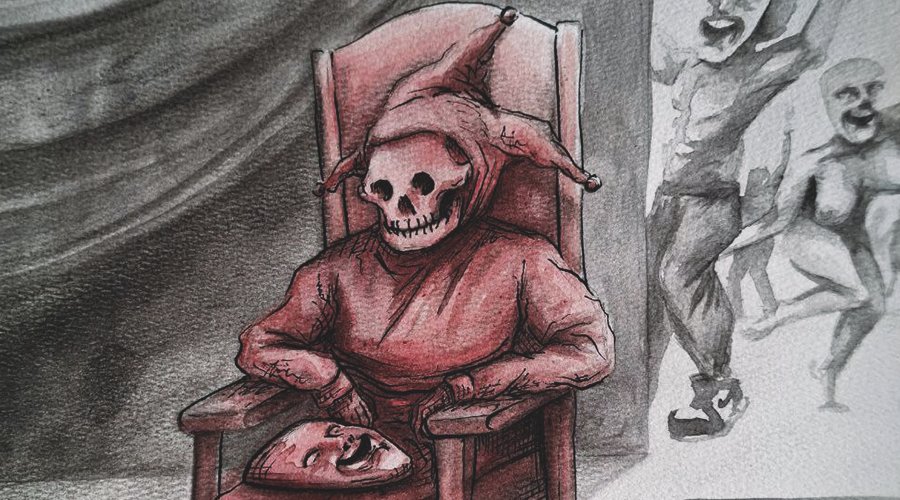
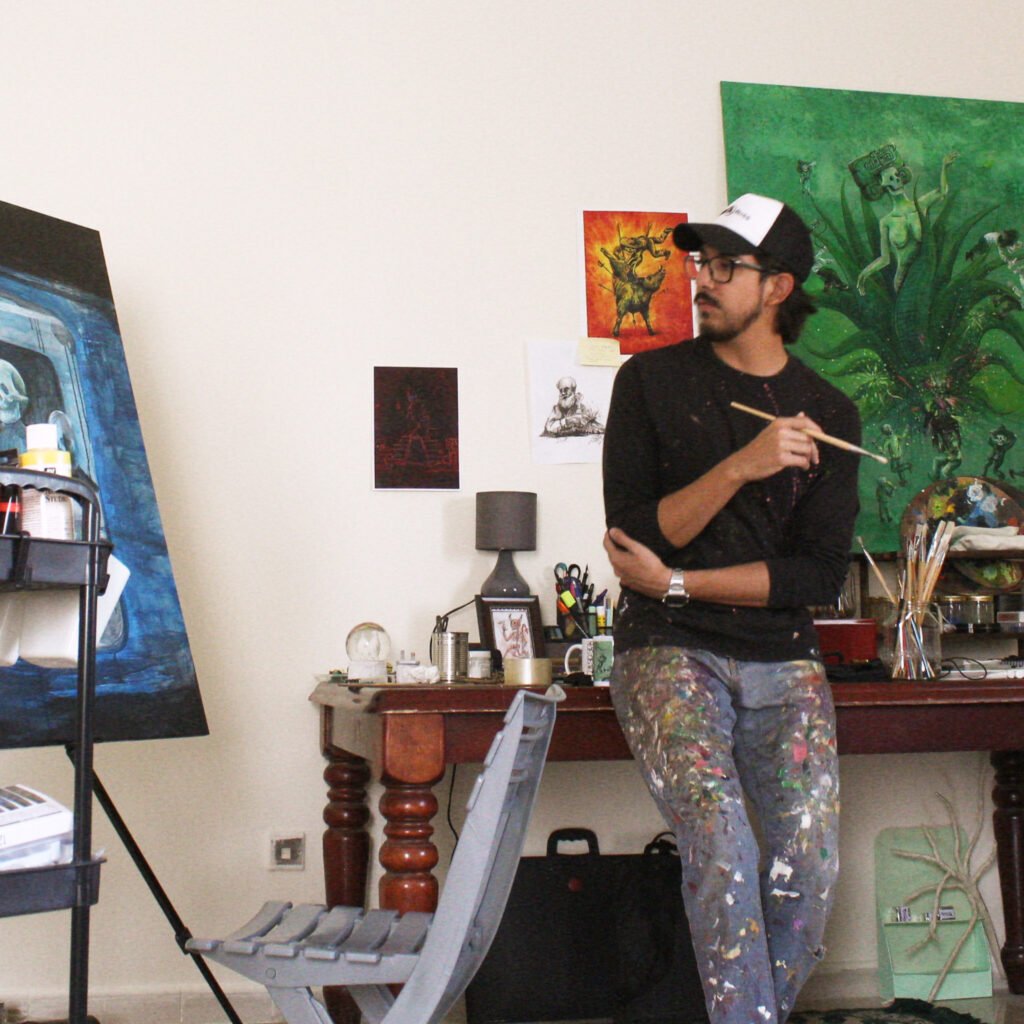
Javier Emiliano Quintero Amparo “J.Emiliano Quintero” is a passionate Mexican visual artist whose talent emerged at a young age, winning an international drawing contest at just 7 years old. Since then, he has dedicated his life to exploring the relationship between life and death through vibrant, culturally rooted artworks inspired by Mexican cosmology. His distinctive style blends tradition and contemporary vision, earning him recognition in exhibitions across Guadalajara and Dubai. Now based in the UAE, Emiliano continues to develop powerful visual narratives that connect Latin American heritage with global audiences.
Art Statement
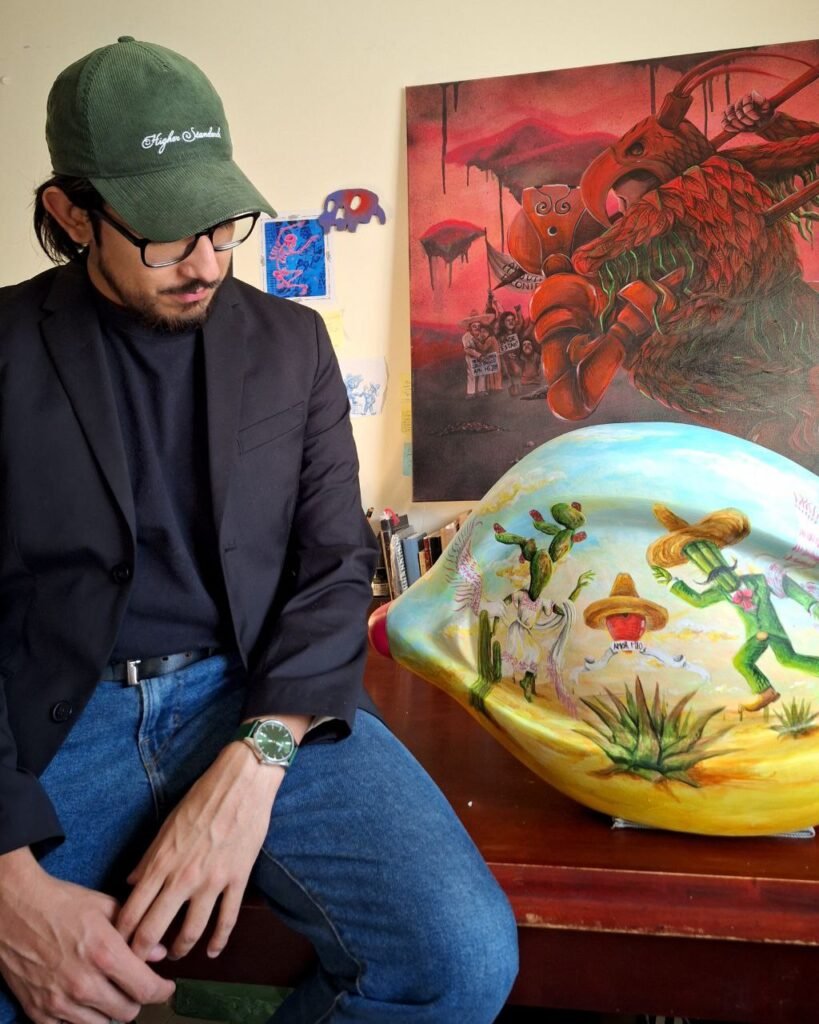
“I paint the intrinsic part of the existence: the duality of life and death. My work is rooted in my Mexican heritage, where every breath is a reminder of mortality, and every “calaverita” a celebration of life. My art is a mirror of the eternal cycle that binds us all.”
Curatorial Framework of J. Emiliano Quintero’s Artistic Practice
At the core of his artistic practice, J. Emiliano Quintero structures his work around three interrelated curatorial lines that shape his aesthetic, philosophical, and political exploration.
1-The intrinsic connection between life and death
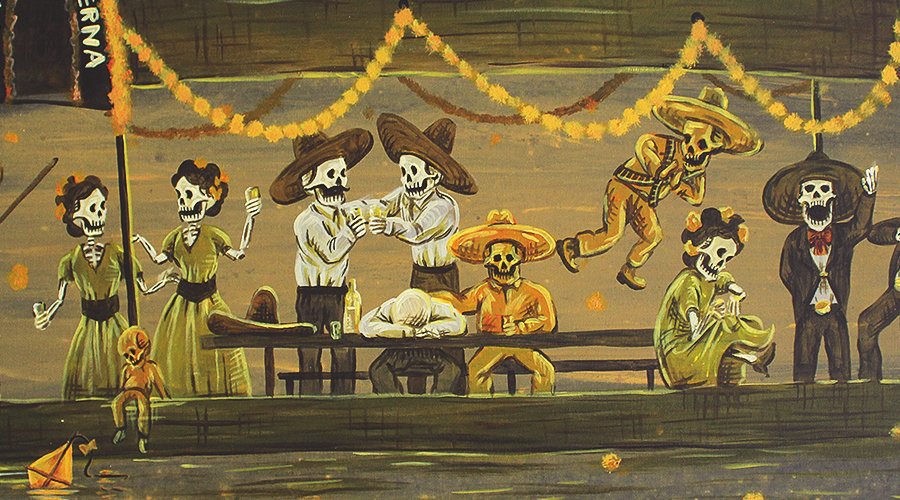
This line examines the relationship between life and death as a philosophical continuum rather than a binary opposition. Through skeletons, skulls, and osseous forms, Quintero reframes death as a transformative force and vital energy, moving beyond its conventional tragic connotations. His visual language is rooted in the Mexican tradition of Día de Muertos and the critical legacy of José Guadalupe Posada, reinterpreted through a contemporary sensibility that engages with present realities.
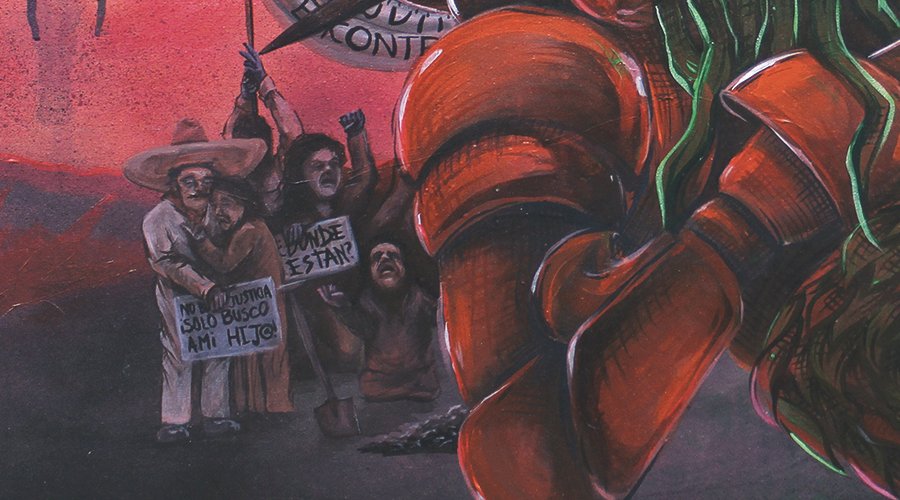
2-Social memory and absence
The second curatorial axis positions memory and absence as ethical foundations of his work. Through symbolic imagery and skeletal figures, Quintero reflects on social issues and the fragility of life in the contemporary context. Avoiding sensationalism or explicit depictions of violence, he constructs a poetic visual language in which beauty coexists with grief, remembrance, and collective memory, transforming the artwork into a space of reflection and symbolic resistance.
3-The search for the primitive and the human
In his third curatorial line, Quintero explores human emotions, instincts, and perceptions from their most fundamental and primal dimension. His practice seeks to suspend moral judgment in order to reveal the imperfect beauty inherent in being human. This approach privileges the visceral, the intuitive, and the ancestral, understanding art as a means to reconnect with what is essential and deeply human.